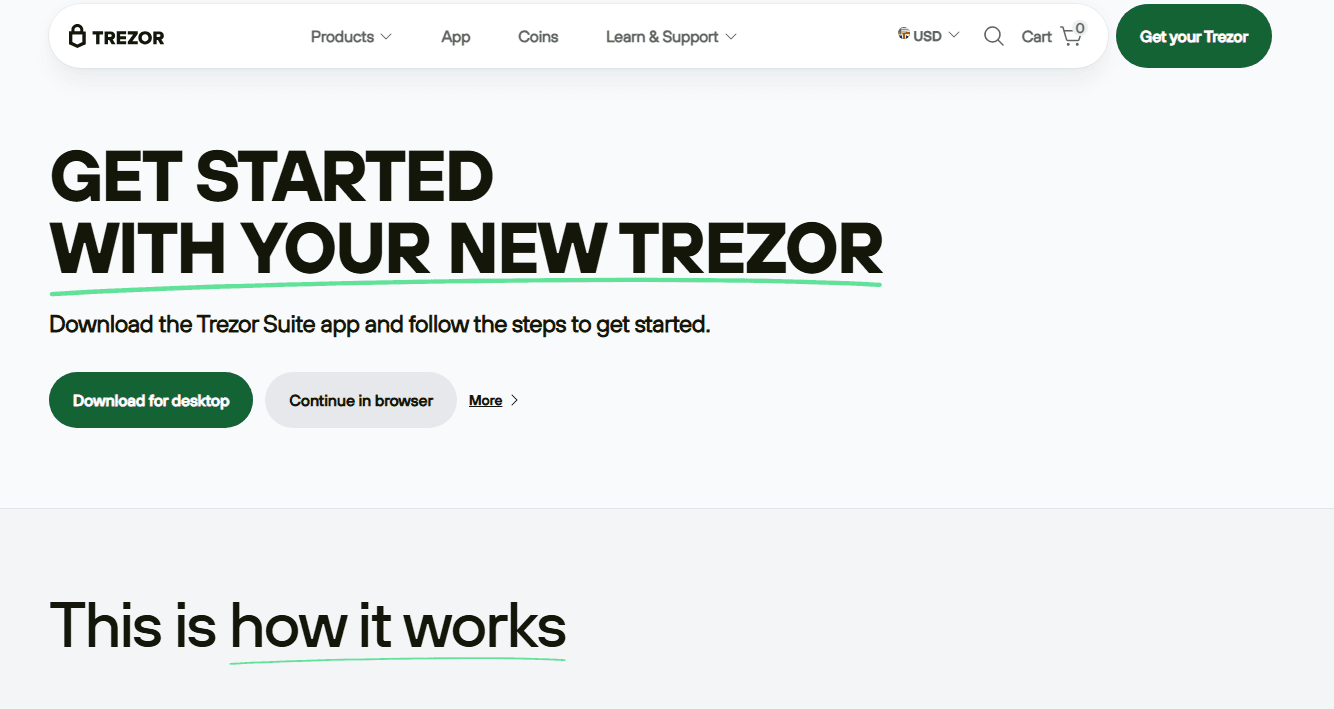
Trezor.io/Start – A Complete 1200-Word Setup and User Guide
Starting your journey with a Trezor hardware wallet begins at the Trezor.io/start onboarding process, which is designed to help every user—from beginners to experienced crypto holders—set up their device safely. This guide provides a fully updated and rewritten walkthrough that explains each part of the process in clear, simple terms. From unboxing your wallet to securing your recovery seed and managing your digital assets, this resource gives you everything you need to get started confidently.
1. What Trezor.io/Start Is Designed For
Trezor devices are built to keep your digital currency safe by storing your private keys offline. Trezor.io/start acts as the step-by-step gateway for configuring your device properly. It ensures you download the correct software, follow the official setup procedure, and learn how to secure your account before storing any crypto.
This platform also teaches new users how to avoid security risks, understand how the device works, and adopt best practices that protect them from accidental loss or cyber threats.
2. Preparing for the Setup Process
Before you begin the installation, gather everything you need:
Your Trezor Model One or Model T
The original USB cable
A computer or laptop
A stable internet connection
A quiet environment for writing down your recovery seed
The recovery card included in the packaging
The device itself is tamper-evident, meaning you should only use it if it came sealed and undamaged. If something appears suspicious, contact the manufacturer before proceeding.
3. Installing the Trezor Application
The first action at Trezor.io/start is downloading the official companion app, which serves as the management interface for your hardware wallet. Once installed, launch the application and connect your Trezor using the provided cable.
When the device powers on, you may be asked to install or update firmware. Firmware controls the internal operations of your hardware wallet, so updating to the latest version is essential. The Trezor app will guide you through this update, ensuring your device runs securely.
The installation is straightforward, and once complete, your Trezor restarts with the updated firmware.
4. Creating Your New Wallet
After updating, you begin the initialization process. Select the option to create a new wallet. Trezor generates private keys locally inside the device, and these keys never leave your hardware wallet. This is the foundation of its security model.
Next, choose a PIN. Your PIN protects your device from unauthorized access if it is ever lost or stolen. Take care to choose a PIN that is not predictable. Avoid birthdays, repeating numbers, or sequences.
Every time you connect your Trezor, you will need this PIN to unlock the wallet.
5. Generating Your Recovery Seed (Crucial Step)
One of the most important responsibilities during setup is writing down your recovery seed. The seed is a series of words displayed only once on your Trezor screen during creation. Write the words clearly and in the correct order on the recovery card.
The recovery seed is the only backup for your entire wallet. If your device breaks, gets lost, or stops functioning, the seed allows you to restore your accounts on another Trezor device.
To keep your seed safe:
Do not save it on your computer.
Do not take a photo or store it in cloud storage.
Do not share it with anyone.
Keep it in a dry, secure, and private place.
Some users prefer storing the seed in a metal backup for added durability. Regardless of your method, never reveal it to anyone claiming to be technical support.
6. Accessing the Wallet Interface
Once the recovery seed is secured, you can enter the Trezor interface. The dashboard is designed with clarity in mind. It shows balances, transaction history, accounts, and supported assets. The layout changes slightly depending on the device model, but overall navigation is simple.
You can create multiple accounts under each supported network. For example, you might have several Bitcoin accounts for different purposes—personal savings, long-term holdings, or general spending.
Each account operates independently but is tied to the same recovery seed.
7. How to Receive Cryptocurrency
To receive digital currency, open an account for the chosen asset, then select the receive option. A wallet address will display on the screen along with a QR code. Always verify the address directly on your Trezor device, not just on your computer, to protect against malware that may alter addresses.
Once verified, share the address with whoever is sending you funds, or use it to transfer assets from an exchange or another wallet you own.
The Trezor interface shows the transaction once it appears on the blockchain.
8. How to Send Cryptocurrency
When sending crypto, go to the account you want to use and select the send function. Enter the recipient address and the amount. Before the transaction is finalized, your Trezor device will ask you to confirm the details physically on its screen.
This physical confirmation is part of Trezor’s core security philosophy. Even if your computer is compromised, the attacker cannot send funds without your approval on the hardware device.
After confirming, the transaction is broadcast to the network.
9. Optional Advanced Security Features
Trezor offers several optional security layers for users who want added protection:
Passphrase Support
A passphrase acts like an additional secret word, creating a hidden wallet. Even if someone obtains your recovery seed, they cannot access your hidden accounts without the passphrase. Advanced users often use this feature to separate assets or increase security.
Device Labeling
You can set a custom label for your device, which appears each time you connect it. This helps identify your wallet if you manage multiple hardware devices.
Auto-Lock and Wipe Protection
Configuration options allow you to adjust lock timers and protect your wallet if multiple incorrect PIN attempts occur.
These features are optional but provide enhanced protection for users who manage larger balances.
10. Updating Your Firmware and Software Regularly
Updates are a normal and important part of using a hardware wallet. Developers continually enhance security, add new features, and provide support for additional tokens. Whenever the Trezor app notifies you of an update, it is recommended to install it promptly.
Firmware updates never expose your private keys and do not affect your recovery seed.
11. Common Problems and Troubleshooting Tips
A few common issues may arise during setup or regular use:
Device not recognized: Try a different USB cable or port.
App not loading: Restart your computer or reinstall the application.
PIN forgotten: You must reset the device and restore it using your recovery seed.
Firmware update stuck: Reconnect the device and restart the process.
Because the recovery seed restores your entire wallet, most issues are reversible as long as your seed is backed up securely.
12. Daily Use and Long-Term Safety Tips
To ensure long-term security:
Keep your Trezor disconnected when not in use.
Avoid plugging the device into unknown computers.
Double-check addresses before confirming transactions.
Periodically test restoring your wallet using a spare device if available.
Store your recovery seed far away from your device.
These steps greatly reduce the risk of theft, phishing attacks, or accidental loss.
13. Why Trezor Remains a Trusted Hardware Wallet
Trezor is recognized for its open-source architecture, security transparency, and user-friendly design. By storing keys offline and requiring physical confirmation for all actions, it protects your crypto even if your computer is compromised.
Its compatibility with many major coins, intuitive interface, and reliable backup system make it a strong choice for both beginners and advanced holders who care about long-term asset safety.
14. Final Thoughts
The Trezor.io/start setup process ensures that every user follows a verified and secure path while configuring their hardware wallet. From firmware installation to creating a recovery seed and managing accounts, each step is crafted to give users complete control over their digital assets.
A hardware wallet is one of the strongest tools for protecting cryptocurrency, and the Trezor setup workflow makes this level of security accessible to everyone. With careful use and secure handling of your recovery seed, your funds can remain protected for years into the future.